Articles —
Personal Style vs Fashion Trends: How to Find the Balance
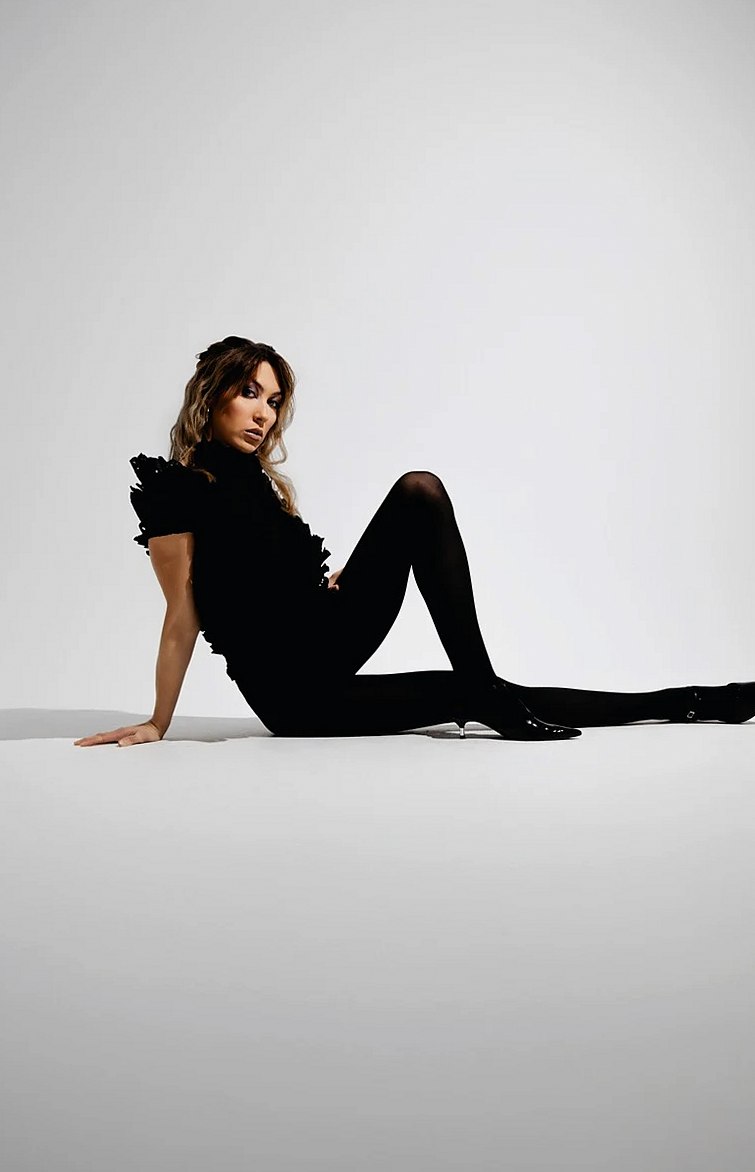
Trends are useful information. They are not instructions.
The relationship between personal style and seasonal trends is something that comes up in almost every styling session. Most people sit somewhere between two unhelpful extremes: either chasing every new trend without a filter, or ignoring trends entirely and ending up with a wardrobe that feels dated without knowing why. The useful position is somewhere in the middle, and it is more specific than most style advice acknowledges.
What trends are actually telling you
A seasonal trend is not a directive. It is information about what is available in stores, what the fashion industry is producing in volume, and what the cultural mood is leaning toward. That information is useful because it tells you what you will be able to find easily and what will be harder to source.
The practical implication is that if a trend aligns with something you already wear and like, this is a good season to invest in a version of it because the quality and variety in stores will be higher than usual. If a trend does not align with your existing wardrobe or your actual occasions, you can note it and move on.
How personal style actually develops
Personal style is not something you decide on and then execute. It develops through a process of wearing things, noticing what feels right, and gradually editing toward a wardrobe that reflects how you actually want to move through the world.
The wardrobe audit is useful here because it makes that process visible. When you look at everything you own at once, patterns emerge: the colours you reach for, the silhouettes that feel comfortable, the pieces you avoid even though you bought them. Those patterns are more reliable information about your personal style than any quiz or mood board.
A practical way to engage with each new season
At the start of each season, it is worth asking two questions before looking at what is in stores. First: what occasions do I actually have in the next three months? Second: what do I already own that covers those occasions well?
The gap between those two answers is the only part of the season's trends that is relevant to you. Everything else is optional. This is the approach we use in the seasonal refresh session, and it tends to produce a much shorter, more useful shopping list than starting from the trends and working backward.
Trends are most useful when you already know what you are looking for. The blog covers each season's key pieces with that filter in mind.
Draft Mica · Personal style · Fashion trends · Style tips · Wardrobe planning