Articles —
How to Dress for Formal Events in Japan as a Woman
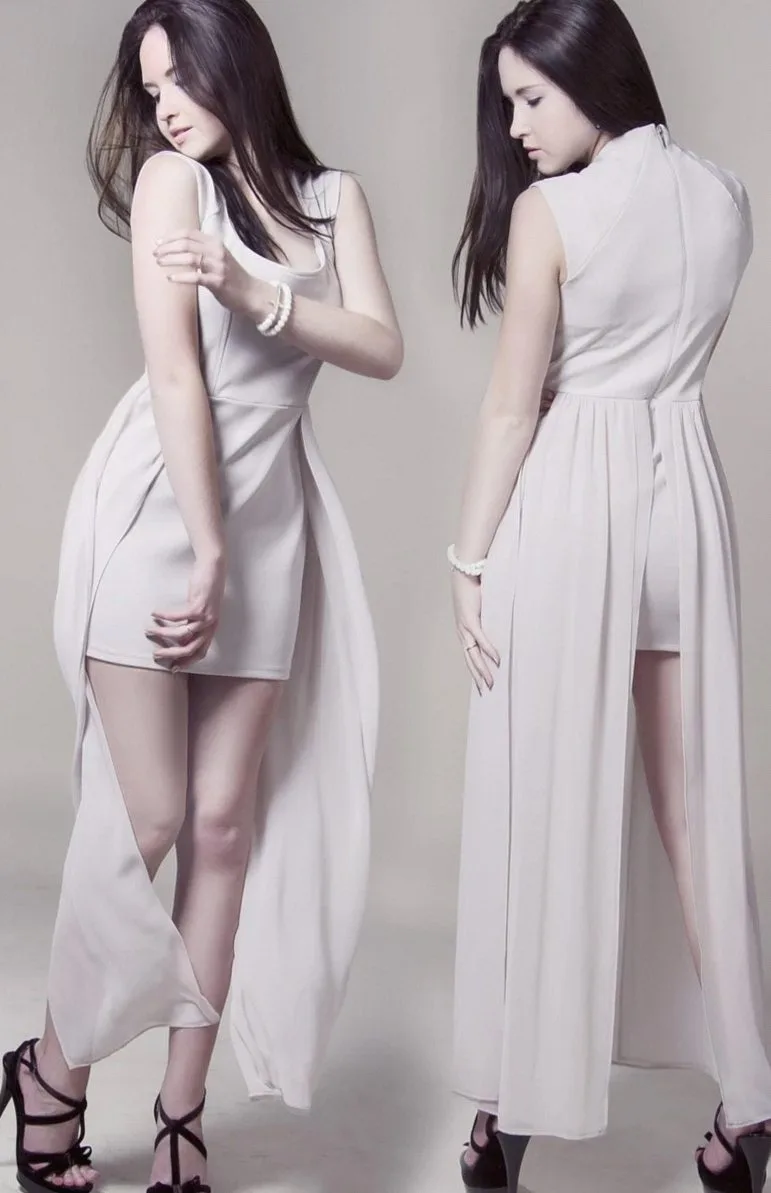
Dress codes in Japan are specific. Here is what they actually mean in practice.
Dress codes in Japan are not always written down, but they are real. The gap between what is technically allowed and what is socially expected can be significant, and getting it wrong at a formal event is uncomfortable in a way that is hard to recover from on the day. This guide covers the main formal occasions and what they actually call for.
Weddings: the rules that matter most
The two rules that matter most for wedding guests in Japan are: no white, and approach black with caution. White is reserved for the bride. Black, while acceptable in some Western contexts, carries associations with mourning in Japan and is best avoided unless the invitation specifies a formal evening dress code where it is explicitly appropriate.
Beyond colour, the formality level of a Japanese wedding reception is generally higher than its Western equivalent. A midi dress in a rich seasonal tone, burgundy, forest green, or deep navy, is a reliable choice for most hotel ballroom receptions. For shrine ceremonies, covered shoulders and modest hemlines are expected.
- No white or off-white
- Avoid pure black unless the dress code specifies formal evening
- Cover shoulders for shrine ceremonies
- Hemlines at or below the knee for most venues
- One statement accessory is enough
Corporate dinners and work events
Work events in Japan have their own register, and it sits slightly above what you would wear to the office on a regular day. A tailored dress or a coordinated skirt-and-blouse set in a neutral or muted tone is the safest starting point. Avoid anything with a strong print or an unconventional silhouette; the goal is to be remembered for what you said, not what you wore.
The exception is creative industry events, where the dress code is more flexible and a stronger colour or an interesting texture reads as appropriate rather than distracting.
Seasonal ceremonies and cultural occasions
Autumn in Japan includes a range of cultural occasions, from autumn foliage viewing gatherings to end-of-year parties. These sit in a middle register: more formal than a casual dinner, less formal than a wedding. A structured midi dress or a tailored trouser set in a warm seasonal tone works well for most of these occasions.
If you are attending a traditional ceremony of any kind, the safest approach is always to err toward more coverage and more muted colour. You can always remove a layer or add a statement accessory, but you cannot undo an outfit that reads as too casual or too loud for the room.
If you have a specific event coming up and you are not sure how to read the dress code, that is exactly what the event styling session is for. Bring the invitation details and we will do the research before you arrive.
Draft Mica · Formal events · Japan dress code · Women's style · Event dressing